
How Blood Flow Affects Erectile Function
Why Does Blood Flow Matter for Erections?
Blood flow is central to erectile function because an erection depends on blood vessels in the penis filling and holding blood under pressure. When circulation is healthy, this process tends to happen more reliably; when it's compromised, achieving or maintaining firmness can become inconsistent.
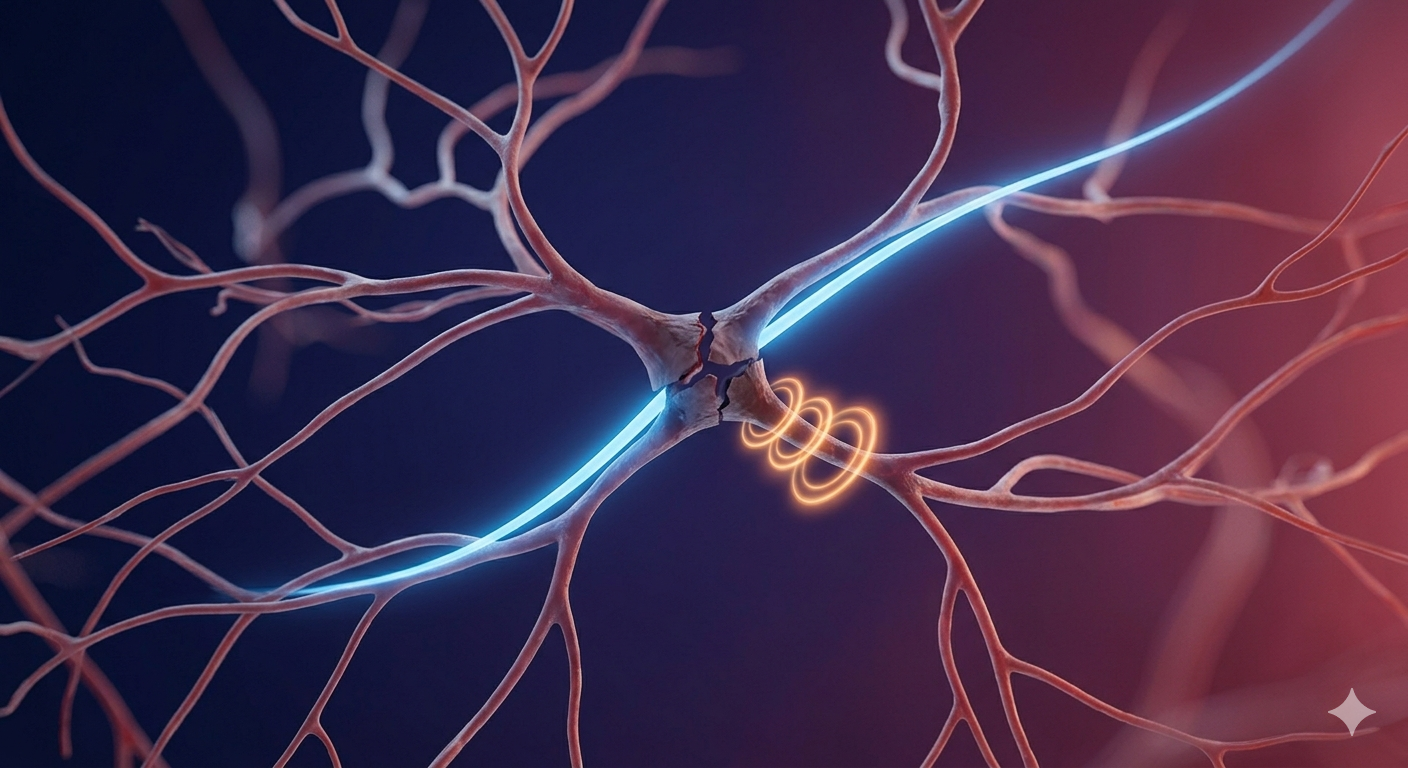
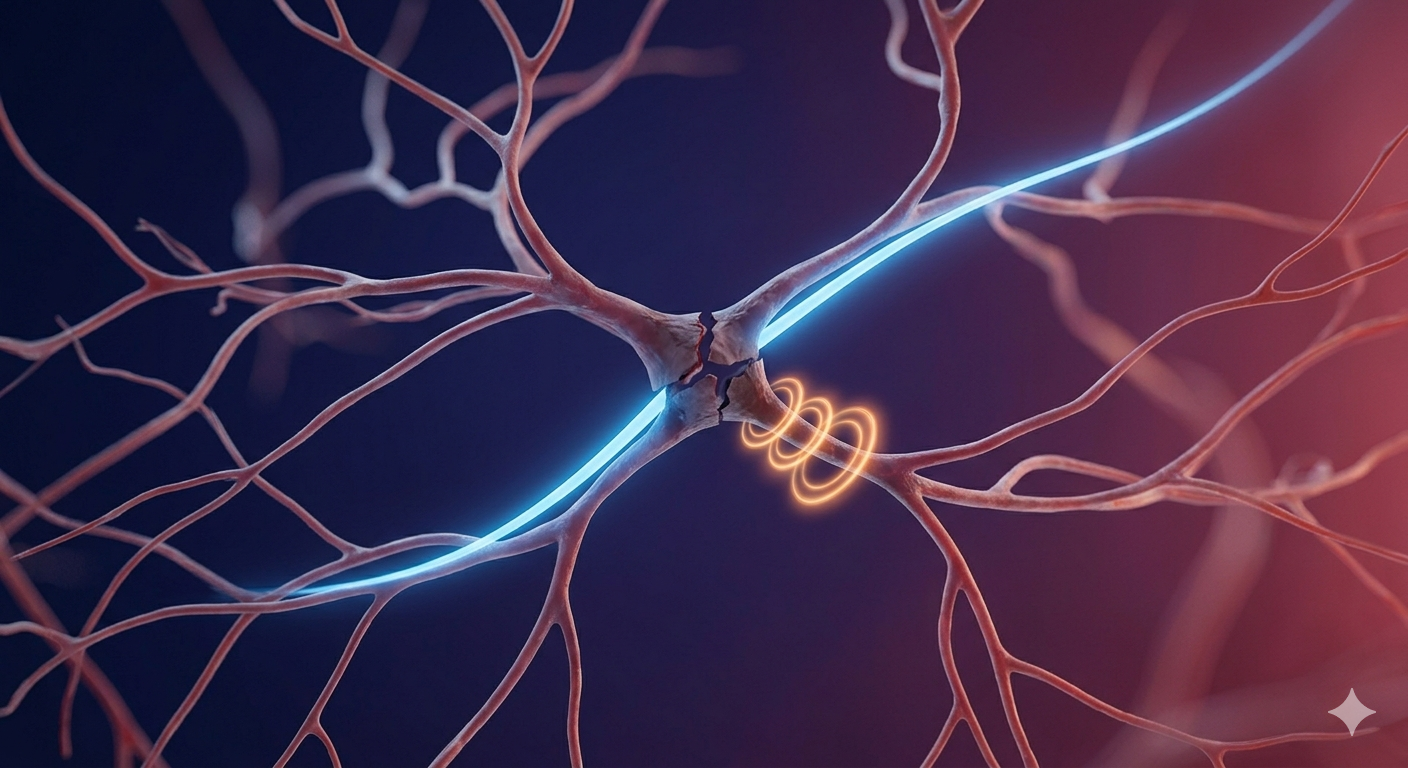
This is why so many causes of ED, from high blood pressure to high cholesterol to diabetes, trace back to how well blood is moving through the body's smaller vessels. The penis has some of the smallest blood vessels in the body, so vascular issues often show up there before they're noticeable elsewhere.
- Healthy circulation supports the filling process behind an erection
- Restricted blood flow can affect firmness and duration
- Small vessels are often affected before larger ones
Because of this connection, many providers view erectile function as a useful window into overall vascular health, not just a standalone concern.

What Happens When Blood Flow Is Reduced?
When blood flow is reduced, the vessels supplying the penis may not fill as effectively, which can make erections less firm, less consistent, or harder to maintain. This reduction is often gradual, tied to plaque buildup, inflammation, or narrowing of small vessels over time.
Contributing factors behind reduced blood flow commonly include:
- Cholesterol buildup narrowing arteries
- Chronic high blood pressure affecting vessel walls
- Diabetes-related vascular changes
- Smoking, which can affect vessel flexibility
- Sedentary habits and excess weight
Because these changes tend to build slowly, many men notice a gradual shift rather than a sudden one. That gradual pattern is part of why ED is often described as an early indicator worth paying attention to rather than dismissing as a normal part of aging alone.
What Are Signs of Poor Blood Flow?
Signs of poor blood flow related to erectile function often include inconsistent firmness, longer time needed to achieve an erection, or difficulty maintaining one during activity. These changes are usually gradual rather than sudden.
Beyond sexual function, other signs of circulation concerns can include cold hands or feet, leg cramping during activity, or slower healing of minor wounds. Noticing several of these together is worth mentioning to a provider, since they may point to a broader vascular pattern rather than an isolated issue.
At a private consultation, a provider can ask about these patterns alongside your broader health history to get a clearer picture of what might be contributing to changes in erectile function, without assuming a single cause applies to every patient.
How Can Men Support Healthy Blood Flow?
Men can support healthy blood flow through a combination of lifestyle habits and, when appropriate, targeted in-office approaches designed with circulation in mind. Regular activity, a balanced diet, limiting tobacco, and managing conditions like high blood pressure or cholesterol are commonly recommended starting points.
For men who want additional support, Performance P-Wave offers high-frequency acoustic wave therapy and the P-Shot (PRP), approaches designed to help support blood vessel function and may help address micro-plaque, with the general goal of supporting healthy blood flow. These are non-surgical, roughly 15-minute sessions with little to no downtime, and outcomes vary by patient.
Every visit starts with a private consultation at the Pace, FL office so Dr. Croley or Jerry Drinkard, NP can discuss your history and goals before recommending any specific approach.
This treatment is part of the men's health services available at Skin & Tonic, with all protocols personally overseen by Dr. Croley.