Understanding Erectile Dysfunction: Causes, Symptoms, and When to Seek Help
What Is Erectile Dysfunction?
Erectile dysfunction (ED) is the persistent difficulty getting or keeping an erection firm enough for sexual activity. Occasional difficulty is common and usually not a concern, but when it happens regularly it may point to an underlying physical, hormonal, or psychological factor worth discussing with a provider.
ED can show up differently from man to man. Some notice a gradual decline in firmness, others notice erections that don't last, and some experience a sudden change tied to stress or a specific event. Because the causes vary so widely, there isn't a single explanation that fits every man. Common signs include:
- Difficulty achieving an erection
- Difficulty maintaining an erection during activity
- Reduced firmness compared to what's typical for you
- Changes in desire alongside physical symptoms
Understanding that ED is common and often connected to broader health is the first step toward addressing it constructively rather than ignoring it.

What Causes ED?
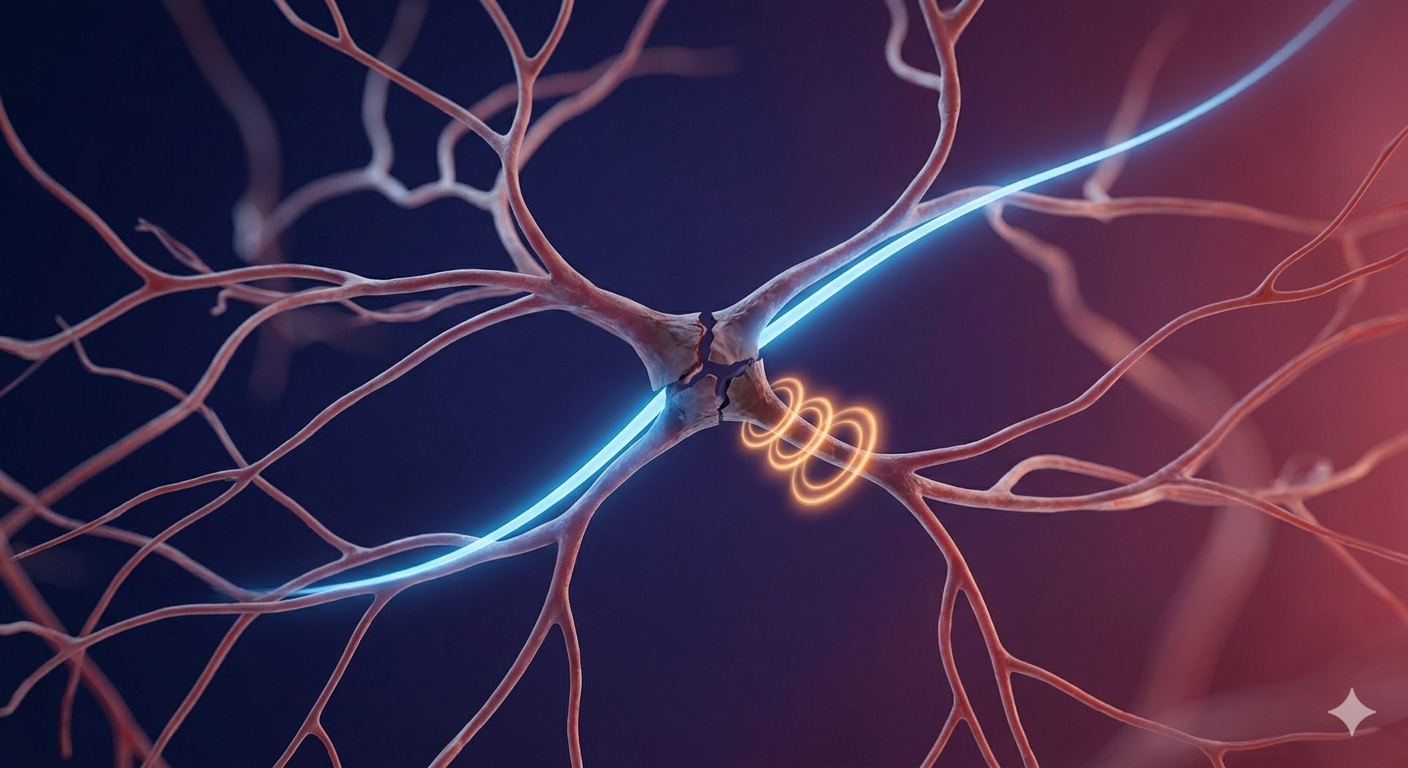
ED can result from one or more vascular, hormonal, neurological, or psychological factors. Because an erection depends on healthy blood flow, nerve signaling, and hormone balance working together, a disruption in any one of these systems may contribute.
Common contributing factors include:
- Reduced blood flow from vascular conditions like high blood pressure or high cholesterol
- Diabetes, which can affect both nerves and blood vessels
- Low testosterone or other hormonal shifts
- Stress, anxiety, or relationship strain
- Certain medications, smoking, or excess alcohol use
- Weight and lifestyle factors that affect circulation

For some men, a single factor is involved; for others, several overlap. This is part of why a thorough evaluation matters more than guessing at a cause, and why a personalized conversation with a provider is generally more useful than a one-size-fits-all approach.
When Should You See a Doctor About ED?
You should consider speaking with a provider if difficulty with erections happens regularly, causes frustration, or has developed alongside other health changes. ED that shows up suddenly or worsens over weeks or months is also worth discussing sooner rather than later.
Because erectile function is closely tied to cardiovascular health, ED can sometimes be an early signal of other conditions, so a conversation with a knowledgeable provider is a reasonable step even if symptoms seem mild. Men do not need a formal diagnosis to start the conversation; wanting to discuss performance, stamina, or confidence is a valid reason to seek guidance on its own.
At Skin & Tonic in Pace, FL, every visit begins with a private consultation covering symptoms, goals, and medical history so a provider can understand your specific situation before discussing any next steps.

How Is ED Evaluated and Treated?
ED is typically evaluated through a conversation about symptoms, health history, and lifestyle, sometimes alongside basic health screening. From there, options are considered based on the individual, not a standard checklist.
Established treatment options. These are the approaches most commonly used for ED and have the longest track record:

- Lifestyle changes, such as exercise, weight management, reducing alcohol, and quitting smoking
- Prescription medications
- Vacuum erection devices
- Addressing underlying conditions, such as diabetes, blood pressure, or hormone levels
- Counseling for stress, anxiety, or relationship factors
Newer approaches. Acoustic wave therapy and platelet-rich plasma (PRP), sometimes called the P-Shot, are newer options that some clinics offer. Research on their effectiveness for ED is still limited, and they may not be specifically FDA-approved for this use. A provider can explain what is known, what isn't, and whether either option fits your situation alongside or instead of established approaches.
What Is Performance P-Wave?
Performance P-Wave™ is a proprietary, trademarked treatment developed by Dr. Chris Croley and Jerry Drinkard, ARNP. It combines the P-Shot (PRP, which uses growth factors from a patient's own blood) with acoustic sound wave therapy as part of Skin & Tonic's men's sexual wellness approach.
The initial appointment typically includes both treatments and takes around 45 minutes. It is usually followed by a few additional acoustic wave sessions, and the length of follow-up sessions may vary. Depending on the patient, the P-Shot and acoustic wave therapy can also be performed separately.
Performance P-Wave is designed to help support healthy blood flow. It is not a cure for ED, and individual results vary; not every patient will experience improvement. Treatments are non-surgical, involve little to no downtime, and take place in a private, discreet setting at the Pace, FL office.
Performance P-Wave is offered through Skin & Tonic, a med spa in Pace, FL, under the physician-guided care of Dr. Chris Croley. Dr. Croley and Jerry Drinkard, ARNP bring decades of combined experience in aesthetic and men's health medicine, and every treatment plan starts with a private consultation.